2026 Best Types of Laser Hair Removal What You Need to Know
Laser hair removal has become a popular choice for many seeking smooth skin. With various types of laser hair removal available, individuals can find options tailored to their needs. Each method has its unique characteristics and effectiveness.
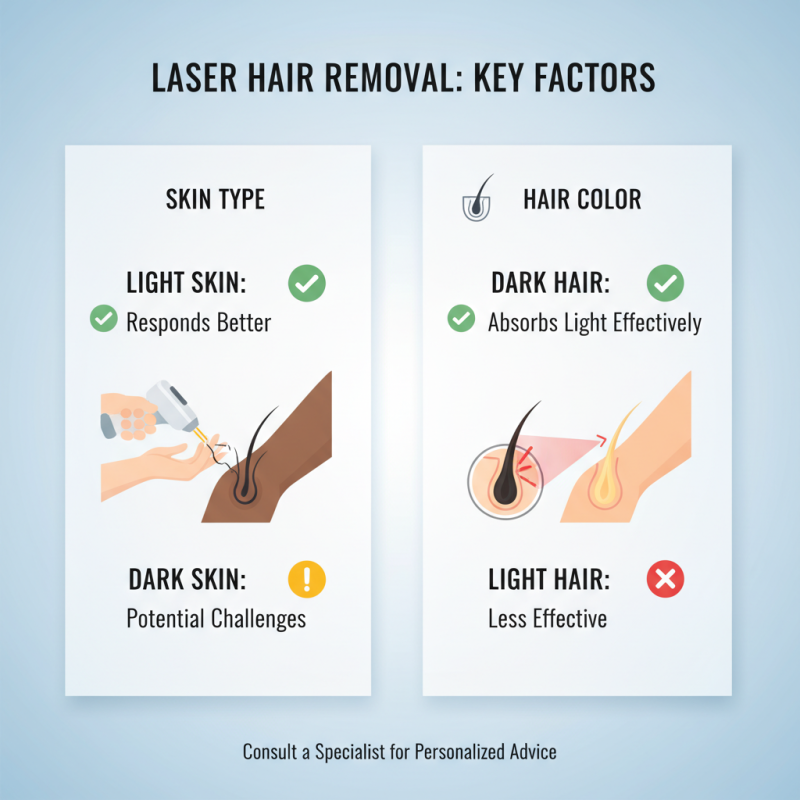
Understanding these types is essential before making a decision. Some lasers work better on specific skin tones and hair types. The cost, recovery time, and results may also vary significantly. Many users have reported both satisfaction and concerns regarding discomfort and effectiveness.
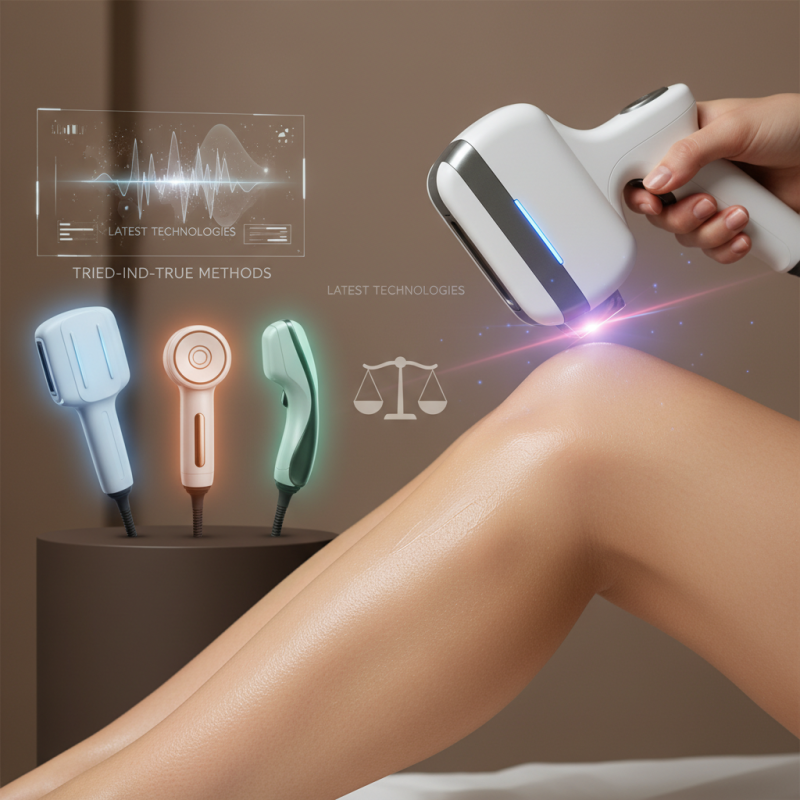
Adopting the right approach requires some thought. Are you considering the latest technologies, or do you prefer tried-and-true methods? Weighing the pros and cons of different types can lead to better choices. Remember, the journey to smooth skin can involve imperfect trials and adjustments.
Types of Laser Technologies Used in Hair Removal
Laser hair removal has gained popularity due to its effectiveness. Various laser technologies are available today. Each type offers unique benefits and potential drawbacks.
One common method is the Alexandrite laser. It uses a specific wavelength suitable for lighter skin tones. Studies show significant hair reduction after multiple sessions. Results often appear after six to eight treatments. However, this type may not be ideal for darker skin types due to the risk of pigment changes.
Another widely used option is the Nd:YAG laser. This technology can treat a variety of skin tones, particularly darker complexions. It penetrates deeper into the skin, making it effective for coarse hair. A report from the American Society for Dermatologic Surgery noted that Nd:YAG lasers can reduce hair growth significantly. Despite these advantages, some patients experience discomfort during the procedure.
Lastly, the Diode laser is known for its efficiency on all skin types. It offers a cool tip for a more comfortable experience. However, clinical studies suggest that multiple sessions are still necessary to achieve optimal results. Adjusting to individual hair growth cycles is essential for effective treatment.
How Laser Hair Removal Works: The Science Behind the Process
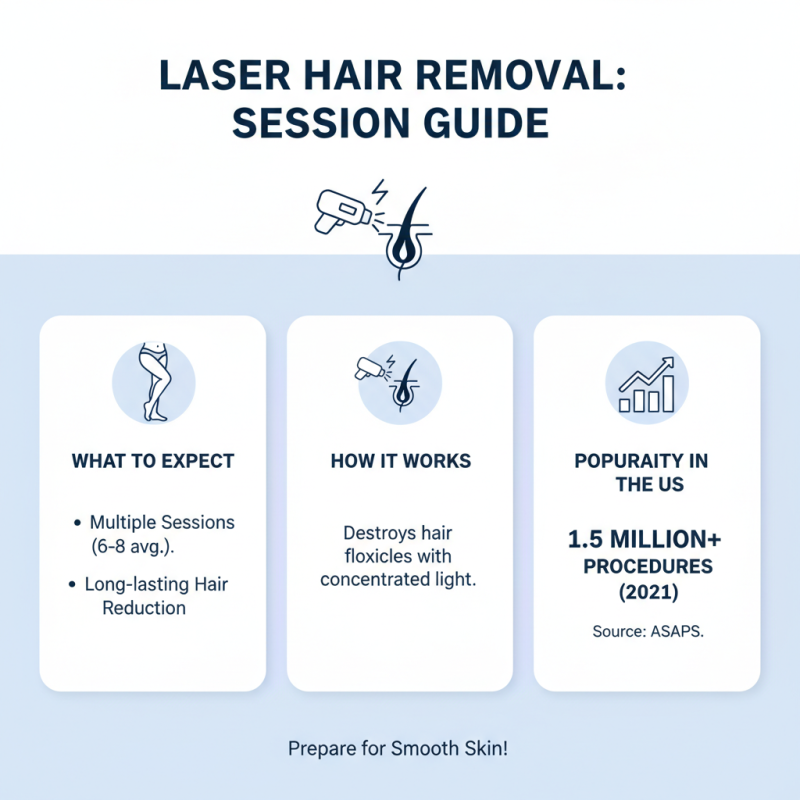
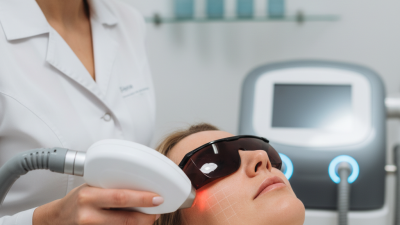
Laser hair removal is a popular choice for long-term hair reduction. Understanding how it works is essential. At its core, laser hair removal uses concentrated light to target hair follicles. The pigment in the hair absorbs the light energy, which destroys the follicle. This process can lead to a significant reduction in hair growth over time.
When considering laser hair removal, a few tips can enhance your experience. Ensure you choose a well-lit treatment area. A clean environment contributes to safety and comfort. Remember to communicate with your technician about your pain tolerance.
Everyone’s sensitivity is different, and adjustments can be made for your comfort.
The technology continues to evolve, bringing various laser types to the market. Some people may experience skin sensitivity or temporary discoloration after treatment. It’s crucial to follow aftercare instructions precisely. If you notice unusual side effects, contact your technician. Always weigh the benefits against possible risks when making your decision.
Benefits and Risks Associated with Different Laser Treatments
Laser hair removal has gained popularity for its effectiveness. Various types of lasers target hair follicles, resulting in long-term reduction. However, each method comes with its own set of benefits and risks. Understanding these is crucial for anyone considering treatment.
The primary benefit of laser hair removal is its precision. Lasers can specifically target dark, coarse hairs while leaving surrounding skin intact. Sessions are often quick, and many patients report permanent hair reduction over time. However, there are risks involved. Common side effects include redness and swelling, which usually fade quickly. Some individuals may experience pigmentation changes, especially those with darker skin tones.
Another consideration is the potential for multiple sessions. While many see results after a few treatments, full effectiveness may require several appointments. This can lead to frustration for some patients. Additionally, not every treatment is suitable for all skin types. Consulting with a qualified professional is essential to determine the best approach. Reflecting on these factors can help set realistic expectations and ensure a more satisfying experience.
2026 Best Types of Laser Hair Removal
Preparing for Your Laser Hair Removal Session: What to Expect
Preparing for laser hair removal? It’s essential to understand what to expect during your session. This treatment typically requires multiple sessions for optimal results. According to the American Society for Aesthetic Plastic Surgery, about 1.5 million laser hair removal procedures were performed in the U.S. in 2021. This growing trend indicates the effectiveness of lasers in achieving long-lasting hair reduction.
Before your appointment, avoid sun exposure and tanning products. This can cause skin sensitivity during treatment. Many practitioners recommend shaving the area 24 hours before your session for better results. Remember, it’s common to feel slight discomfort. The sensation can be compared to a rubber band snapping against the skin.
Tips: Stay hydrated before your appointment. Drinking water can help your skin be more resilient. Additionally, if you have concerns, discuss them with your practitioner. It’s okay to be anxious or unsure. Everyone has different pain thresholds, and communication is key to a positive experience. Aim for realistic expectations; results vary widely among individuals. Embrace the process, and be willing to adapt your hair removal plan as needed.