10 Best Body Contouring Machines for Global Buyers
Choosing among body contouring machines is not a simple catalog exercise. Global buyers must examine clinical purpose, operator training, maintenance access, and evidence quality. A polished brochure can hide important limitations.
Dr. Grant Stevens, a recognized aesthetic physician, has stated, “Technology should serve the patient, not replace clinical judgment.” This principle matters when comparing radiofrequency, cryolipolysis, ultrasound, electromagnetic stimulation, and combination platforms. Each system works differently. Results can also vary with treatment area, skin characteristics, patient expectations, and operating technique.
Safety comes first.
This guide, “10 Best Body Contouring Machines for Global Buyers,” focuses on practical buying decisions rather than dramatic promises. It considers treatment versatility, energy control, user interface, consumable costs, warranty support, and regulatory documentation. Buyers should verify approvals in their own markets, because authorization in one country does not guarantee acceptance elsewhere. Independent clinical data also deserves closer attention than impressive before-and-after images.
Some machines appear highly advanced but may be difficult to service outside major cities. Others offer fewer functions yet provide simpler training and more predictable operating costs. That trade-off is easy to overlook. It should not be.
The ranking is not absolute. A clinic serving athletic clients may prefer a different platform from a dermatology practice treating diverse skin types. Patient consultation remains essential, and noninvasive does not mean risk-free. This review aims to make the comparison clearer, while recognizing an uncomfortable truth: no single device fits every buyer, clinic, or patient.
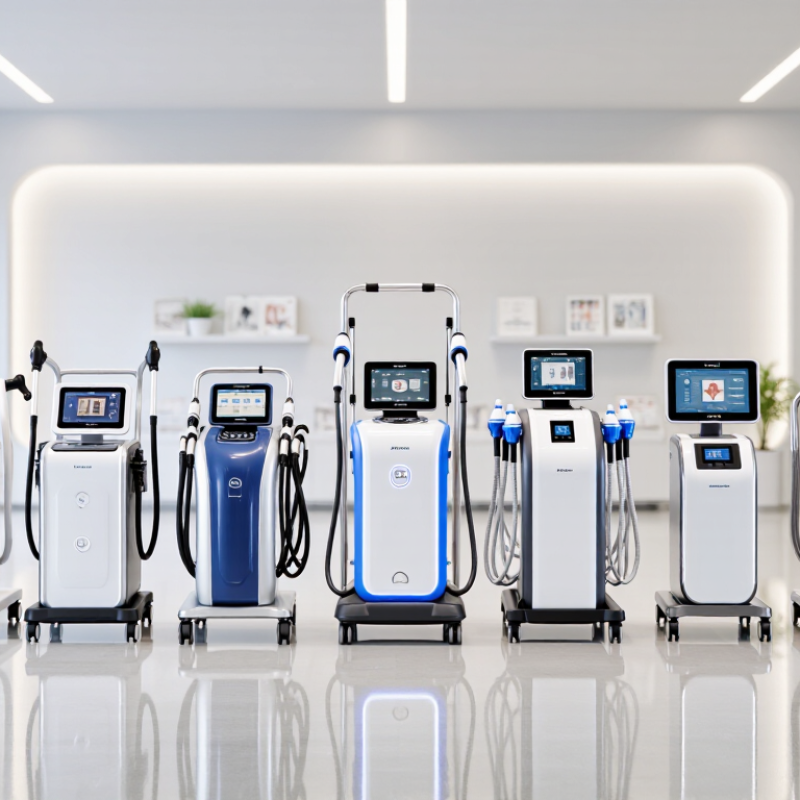
What Body Contouring Machines Are and How They Work
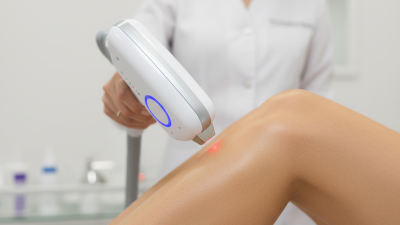
Body contouring machines are non-surgical devices designed to improve body shape, not reduce overall weight. They target specific areas, such as the abdomen, thighs, arms, or flanks. Radiofrequency devices heat deeper tissue and may support collagen remodeling. Cryolipolysis cools selected fat cells, while focused ultrasound uses concentrated energy. Electrical muscle stimulation creates repeated contractions. Each method works differently.
Demand continues to grow. The ISAPS Global Survey 2023 recorded 19.1 million non-surgical aesthetic procedures worldwide. However, popularity does not prove equal performance. Grand View Research reports continued expansion in the global body contouring devices market, driven by shorter recovery times and consumer demand. FDA guidance also describes these treatments as appearance-enhancing procedures, not weight-loss solutions. Results depend on tissue condition, treatment settings, operator training, and patient expectations. Published evidence remains uneven. That matters.
Tips: Ask which tissue layer the device targets. Request clinical evidence for the exact model, not only the technology category. Check operator training, treatment limits, contraindications, and maintenance records. Compare realistic before-and-after timelines. Be cautious when a seller promises permanent fat loss or dramatic changes after one session. A smaller claim may be more credible.
Key Technologies Used in Modern Body Contouring Equipment
Modern body contouring equipment combines several controlled energy systems, rather than relying on one dramatic feature. Radiofrequency heats tissue gradually, often with temperature sensors and automatic power adjustment. This can support skin tightening and improve treatment comfort. Cryolipolysis uses carefully managed cooling to target localized fat. The applicator should maintain stable contact without excessive pressure. Ultrasound devices deliver focused acoustic energy at selected depths. Results depend on tissue thickness, treatment settings, and patient selection. Small details matter.
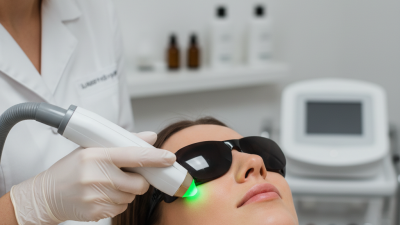
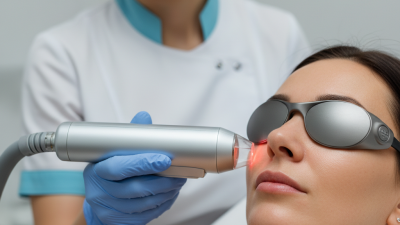
Electrical muscle stimulation creates repeated contractions through surface electrodes. It may complement exercise, but it cannot replace nutrition or movement. Low-level laser systems use light energy and usually require conservative protocols. Vacuum-assisted massage can improve temporary fluid movement and contour appearance. In practical equipment evaluations, I check calibration records, emergency stops, skin-contact sensors, and operator instructions. A bright touchscreen is useful, but it does not prove clinical quality. Independent testing and transparent technical data deserve more attention. Not every machine performs consistently.
Global buyers should ask how each system measures energy, records sessions, and protects different skin types. Operators need structured training, screening procedures, and realistic consent discussions. Voltage compatibility, local service support, and regulatory documentation also affect long-term value. Some devices appear impressive during one demonstration, yet outcomes may fade or vary. That uncertainty should be stated plainly. I question machines with vague claims or missing maintenance schedules. Better decisions come from comparing evidence, maintenance access, and verified safety features. Beauty is not a substitute for safety.
How to Compare the 10 Best Machines for Global Buyers
How to Compare the 10 Best Body Contouring Machines for Global Buyers
A useful comparison begins with treatment purpose, not appearance or advertising claims. Review whether each machine uses radiofrequency, focused ultrasound, cryolipolysis, electromagnetic stimulation, vacuum therapy, or light-based energy. Each method has different treatment limits, client expectations, and safety requirements. Match the technology to the target area, skin condition, and trained operator’s experience.
Look closely at measurable details. Check energy settings, cooling control, applicator sizes, treatment time, consumable costs, and maintenance intervals. Ask for clinical documentation, user training, warranty terms, and electrical certifications accepted in the destination market. A low purchase price can become expensive when replacement parts arrive slowly or local technicians are unavailable. It happens more often than buyers expect.
Do not rank machines by one impressive photograph. Compare realistic treatment protocols, contraindication screening, comfort levels, and aftercare guidance. Request evidence from independent sources when possible, rather than relying only on supplier data. Also verify registration and advertising rules with local authorities before importing or promoting equipment. No machine wins every category. A device may offer strong results but require longer sessions or stricter training. My own comparison framework would score performance, safety, support, compliance, and total ownership cost separately. It is not perfect, and results can vary between clinics. That uncertainty deserves honest discussion.
Safety Standards, Treatment Limitations, and User Considerations
Choosing among the 10 best body contouring machines requires more than comparing power levels or treatment speed. Global buyers should request electrical safety evidence, risk assessments, and clear operating instructions. Relevant standards may include IEC 60601, ISO 14971, or ISO 13485, depending on the device and market. Certification marks alone are not enough. Confirm the certificate’s scope, issuing body, and validity.
Treatment limits must be stated honestly. Non-invasive contouring may reduce localized fat or improve skin appearance, but it is not a weight-loss method. Results can vary with tissue thickness, skin elasticity, lifestyle, and operator technique. Some technologies may cause temporary redness, swelling, tenderness, or numbness. Others may be unsuitable near implants, damaged skin, or sensitive areas. A consultation should identify medical history, medications, pregnancy status, and realistic expectations.
User safety also depends on daily practice. Look for adjustable settings, temperature monitoring, emergency shutoff, cleaning procedures, and traceable maintenance records. Staff should receive documented training, not just a brief demonstration. I would also test the handpiece, cables, display, and cooling response before purchase. A polished brochure can hide practical weaknesses. Even a compliant machine may perform poorly with rushed assessments or inconsistent technique. Global buyers should check local registration rules and provide consent forms in the user’s language. No machine is perfect.♀♀♀♀♀♀
10 Best Body Contouring Machines for Global Buyers
Commonly reported operating or target temperature ranges for major non-invasive body-contouring technologies.
Temperature ranges are technology-level reference values, not guaranteed device specifications. Actual settings depend on the equipment, applicator, treatment area, local regulations, contraindications, and the manufacturer's instructions for use. Buyers should verify applicable requirements such as electrical safety, electromagnetic compatibility, risk management, laser or light safety, and market-specific authorization.
Purchasing, Installation, Training, and International Support Factors
Choosing among the 10 best body contouring machines requires more than comparing prices.
Buyers should review treatment technology, intended use, energy output, consumables, and service records. Request technical specifications, warranty terms, and documented performance data. A low purchase price may hide expensive applicators, shipping delays, or limited maintenance support.
Installation needs careful planning.
Confirm voltage, plug standards, room size, ventilation, and electrical capacity before shipment. A qualified technician should inspect the machine, test safety functions, and record commissioning results.
The operator needs practical training, not only a digital manual. Training should cover client screening, treatment settings, cleaning, emergency procedures, and accurate recordkeeping. Hands-on practice matters.
International support can determine whether equipment remains useful after installation.
Ask whether remote diagnostics, spare parts, and multilingual assistance are available in your region. Clarify response times and the process for replacing damaged components.
Local regulations may require registration, professional qualifications, or specific documentation. Verify these requirements independently because supplier guidance can be incomplete.
In my experience, buyers sometimes focus too heavily on attractive specifications.
That is a mistake. A machine can perform well but still create problems when training is rushed or parts take six weeks to arrive. Keep written service agreements, delivery photos, serial numbers, and training attendance records. Small details protect larger investments.