Why Choose Single Herb Granules for Your Health Needs?
In recent years, there has been a noticeable shift towards natural products for health and wellness. Many consumers are opting for natural remedies over pharmaceuticals. According to a report by the National Center for Complementary and Integrative Health, approximately 38% of adults use complementary health approaches, including herbal solutions. This trend highlights the growing preference for Single Herb Granules as an effective alternative.
Single Herb Granules offer a concentrated and convenient way to integrate traditional herbal medicine into daily routines. They allow individuals to reap the benefits of single botanical extracts without the complexities of preparation. However, it’s essential to note that while these granules are effective, not all users may understand their proper use.
Additionally, consumers often face challenges in sourcing high-quality products. The market is rife with options, but not every brand meets the necessary safety and efficacy standards. This situation creates opportunities for education and improvement. Embracing Single Herb Granules can support a pathway to better health, yet it prompts consumers to reflect on their choices and understand the importance of sourcing reputable products.
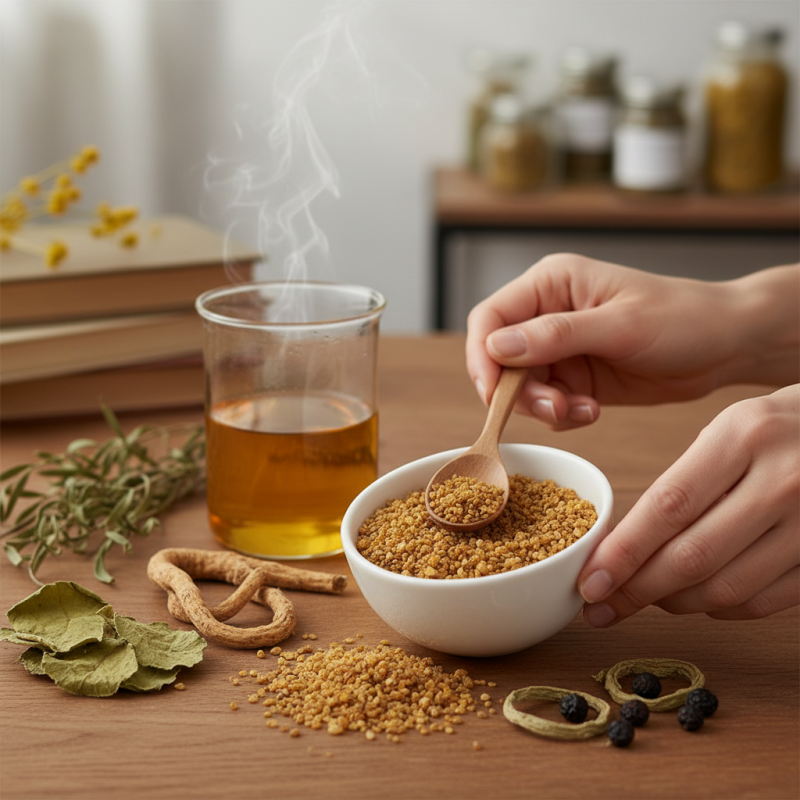
Benefits of Single Herb Granules for Herbal Remedies
Single herb granules are a popular choice for those seeking natural health solutions. These granules offer concentrated benefits from individual herbs. Research indicates that many herbs contain active compounds that support immune health, digestion, and overall wellness. For example, studies show that ginger can reduce nausea and inflammation, while ginseng may enhance energy levels. Such versatility makes single herb granules a vital addition to any herbal remedy routine.
When using single herb granules, it's essential to consider quality and sourcing. Look for granules made from organic herbs to ensure you're getting the purest form without additives. Many users report positive results with consistent use. However, individual responses to these herbs can vary. Some may find specific herbs ineffective, highlighting the importance of personalized health approaches.
Tips:
- Start with small doses to assess your body's reaction.
- Keep a journal of your experiences with different herbs.
- Always consult a healthcare professional if you're on medication.
Using single herb granules can simplify herbal remedies while providing potent benefits. However, it’s crucial to approach their use thoughtfully, recognizing that not every herb works for everyone.
Types of Single Herb Granules and Their Uses
Single herb granules offer a convenient way to incorporate herbal remedies into your routine. They come from various plants, each with unique properties. For instance, ginseng is often used to boost energy and improve focus. Its granules provide an easy solution for those seeking mental clarity. Another popular choice is ginger. Ginger granules are known for their warming properties and assist in digestion. They can add flavor to beverages while delivering health benefits.
Different types of single herb granules cater to various needs. Licorice granules can soothe sore throats and reduce stress. Chamomile is famous for calming the mind, promoting relaxation. It can be brewed into tea or added to warm milk. People sometimes overlook the importance of sourcing quality herbs. Not all granules are created equal, and the effectiveness can vary. It’s vital to research and reflect on your choices for the best results.
Your health journey can be personal and experimental. While some may find relief with herbal remedies, others may not experience the same benefits. Listen to your body and adjust as necessary. Collecting information and insights about these herbs can lead to thoughtful decisions. Each herb holds potential, but awareness and research are key.
How to Choose the Right Single Herb Granules for Your Needs
Choosing the right single herb granules can greatly impact your health journey. Understanding your specific health needs is essential. Today, the demand for herbal remedies is on the rise, with a recent survey showing that 38% of adults in the U.S. use herbal products regularly.
When selecting single herb granules, consider their quality. Look for products that undergo rigorous testing. Research indicates that quality control practices can vary significantly among suppliers. A transparent supply chain is critical. This ensures you are getting a product that meets safety standards.
Tips: Always check for certifications from reliable organizations. Quality assurance is crucial for your safety.
Next, consider the herbal properties. Different herbs offer varied benefits. For example, ginger is known for supporting digestion, while ginseng can help with energy levels. Familiarizing yourself with these properties will guide your choices.
Tips: Research and take notes on herbs that align with your health goals. Not all herbs suit everyone, so pay attention to your body's responses.
Ultimately, finding the right single herb granules involves a thoughtful approach. Don't rush the process; listen to your body and reflect on your experiences. This careful consideration can lead to better health outcomes and a more personalized wellness journey.
Recommended Dosages and Preparation Methods for Granules
Choosing single herb granules can be a simple way to enhance your wellness routine. These granules are easy to incorporate into daily life. They dissolve quickly in water, making them convenient for busy schedules. With a few granules in a cup, you can create a soothing herbal tea.
When it comes to dosage, it’s essential to pay attention. Recommended amounts vary based on the herb. For example, some herbs suggest one teaspoon while others call for a tablespoon. It’s crucial to read instructions carefully. Overusing can lead to unwanted effects. Each herb has its strength, and balance is key.
Preparation methods can be as simple or elaborate as you prefer. Mixing the granules with warm water is a quick option. For a richer infusion, steeping them in hot water for longer helps extract more benefits. Experimenting with flavors can be fun. Adding honey or lemon can enhance taste without masking the herb's properties. Remember, personal preferences matter. Finding what works best for you might take time and reflection.
Potential Side Effects and Precautions When Using Single Herb Granules
When considering single herb granules, it is important to be aware of potential side effects and necessary precautions. These naturally derived products are often used for health benefits but can also pose risks. Users may experience digestive issues, such as nausea or diarrhea. Allergic reactions may occur, presenting as skin rashes or itching. These effects vary by individual, making personal awareness crucial.
Before using herb granules, consulting a healthcare professional is wise. Some herbs can interact with medications, potentially causing adverse reactions. For instance, certain herbs might amplify sedative effects. Pregnant or nursing individuals should tread carefully. Not all herbs are safe during these stages. Keeping track of how your body reacts fosters better outcomes. Authenticity in sourcing is also vital. Some products may be contaminated or not pure, leading to unexpected complications. Always investigate the origins and testing of herb granules.
Testing your sensitivity to a new herb can be beneficial. Start with small doses. This cautious approach minimizes risks. If discomfort arises, reconsider usage. Trust your instincts. Your health deserves careful attention and respect, especially in a landscape filled with endless options.
Why Choose Single Herb Granules for Your Health Needs? - Potential Side Effects and Precautions When Using Single Herb Granules
| Herb Name | Health Benefits | Potential Side Effects | Precautions |
| Ginger | Anti-inflammatory, aids digestion | Heartburn, diarrhea | Use with caution in pregnancy |
| Turmeric | Antioxidant, anti-inflammatory | Nausea, diarrhea | May interact with blood thinners |
| Ginseng | Boosts energy, enhances cognitive function | Insomnia, headaches | Avoid if on anticoagulants |
| Garlic | Lowers blood pressure, cholesterol | Bad breath, heartburn | Consult before surgery |
| Ashwagandha | Reduces stress, anxiety | Digestive issues, drowsiness | Caution in hypothyroidism |
