How to Choose the Right Types of Laser Hair Removal for You?
Choosing the right types of laser hair removal can be a daunting task. With several options available, it's essential to find the one that best suits your needs. Different lasers target hair follicles in various ways, leading to diverse results. Understanding these differences can make a significant difference in your experience and satisfaction.
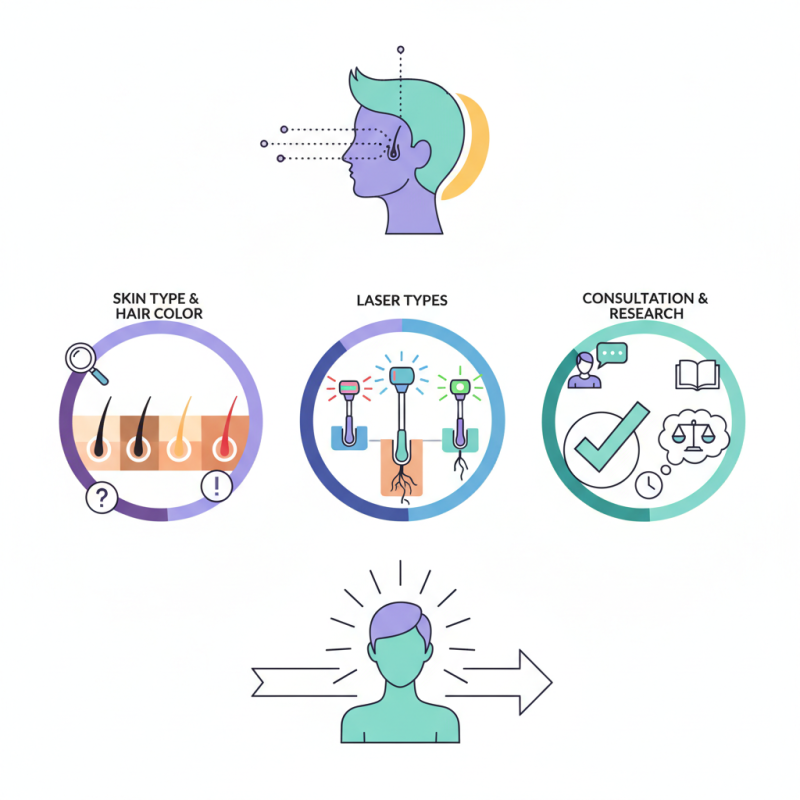
You may wonder about the effectiveness of each type. Some devices work better on specific skin types or hair colors. For example, certain lasers perform well on darker hair but struggle with lighter shades. Therefore, conducting thorough research is vital. Consultation with a professional can illuminate the best path for you.
While it's tempting to rush into a decision, take your time. The wrong choice can lead to disappointment or unexpected side effects. Reflect on what you desire and choose wisely. Ultimately, the right types of laser hair removal are the ones that fulfill your unique requirements.
Understanding Laser Hair Removal: Types and Technologies Explained
Laser hair removal is a popular option for those seeking a long-term solution to unwanted hair. There are several types of lasers used in this process. The technology behind these lasers varies, affecting their effectiveness and safety for different skin types. Understanding these options is crucial.
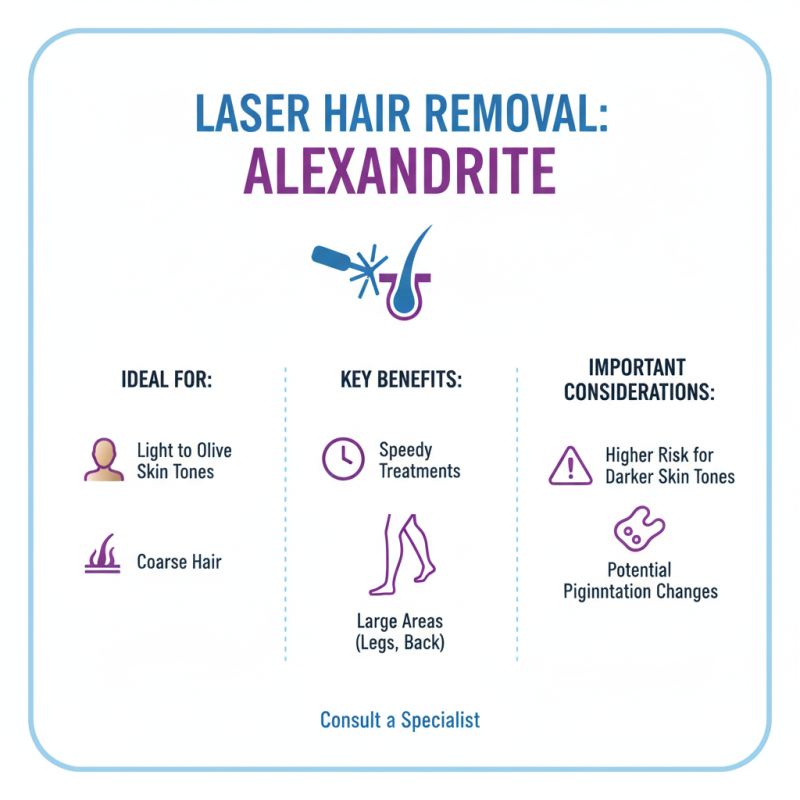
One common type is the Alexandrite laser. It works best on light to olive skin. The energy emitted targets melanin, which can lead to quicker treatments. However, it may not be as effective on darker skin tones. In contrast, the Nd:YAG laser is safer for all skin types. It penetrates deeper, making it suitable for coarse hair.
Some people encounter challenges with hair removal. Skin reactions like redness or swelling can occur. These responses often depend on individual skin types and the laser used. It's essential to choose a method that aligns with your skin's needs. Consulting a professional can help clarify uncertainties and highlight the best options for your situation.
Comparing Hair Removal Lasers: Alexandrite, Diode, and Nd:YAG Options
When considering laser hair removal, it's essential to understand the types of lasers available. Alexandrite lasers are among the most popular choices. They work best on light to olive skin tones and can effectively target coarse hair. The speed of the Alexandrite laser makes it a favored option for large areas, such as legs or back. However, patients with darker skin may experience higher risks of pigmentation changes.
Diode lasers present another viable choice. They are effective for a wider range of skin types, including medium to dark skin tones. Research indicates that diode lasers penetrate deeper than Alexandrite ones, making them suitable for coarse hair on these skin types. A recent industry report highlighted that diode lasers have a lower risk of side effects compared to their counterparts.
Lastly, the Nd:YAG laser suits darker skin tones best. Its longer wavelength reduces the chance of skin damage, which is crucial for individuals with deeper melanin levels. However, the Nd:YAG laser may require more sessions to achieve the desired outcome. It's a worthwhile consideration for those with sensitivities. Balancing effectiveness and safety is always crucial in your laser hair removal journey.
Skin Types and Laser Suitability: Tailoring Treatment to Your Needs
When considering laser hair removal, understanding your skin type is crucial. Different skin tones and hair colors require specific lasers for optimum results. For instance, individuals with lighter skin often respond better to certain wavelengths. Conversely, darker skin may need specialized technology to prevent damage.
It's essential to recognize that some treatments may not be suitable for everyone. For those with sensitive skin, potential side effects like irritation can occur. Not all clinics cater to every skin type. Therefore, researching and discussing options with a professional is vital.
Each person’s hair growth pattern and skin type are unique. Finding the right match takes time and may require trials. Be prepared for adjustments in treatment plans. A one-size-fits-all approach rarely works in laser hair removal. Always prioritize your safety and comfort when selecting a treatment.
Evaluating Cost and Efficacy: What to Expect from Laser Hair Removal
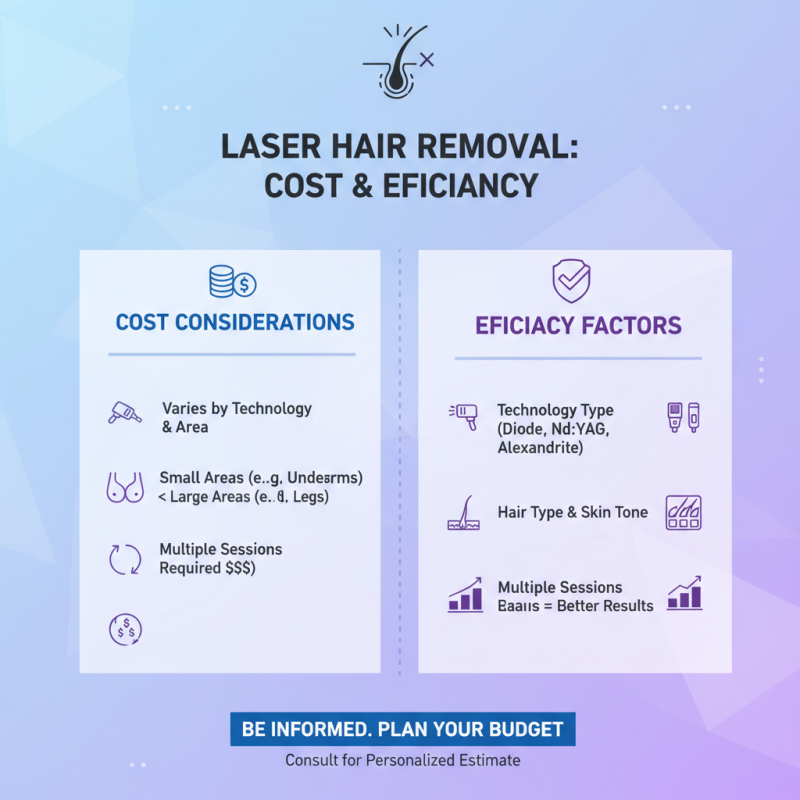
When considering laser hair removal, evaluating cost and efficacy is essential. Prices can vary greatly depending on the technology used and the area being treated. A small area, like the underarms, may cost less than larger areas like the legs. Often, multiple sessions are required, which can add up. It’s crucial to be aware of these potential costs before committing.
Efficacy is another critical factor. Different laser types work better for different skin tones and hair colors. For instance, some lasers are more effective on darker hair. However, results can vary. Not everyone achieves the same level of hair reduction. Some may experience slower results or even skin irritation. It's important to have realistic expectations and prepare for potential side effects.
Each person’s skin reacts differently to treatments. You may need time to find the right match. Consult with professionals who can guide you based on your unique needs. Open dialogue about past experiences can reveal what works best. There’s no one-size-fits-all approach to laser hair removal. Trusting the process, even with its imperfections, is part of the journey.
Safety Considerations: Avoiding Risks and Side Effects in Laser Treatments
When considering laser hair removal, safety should be your top priority. Understanding potential risks and side effects is essential. Skin reactions, such as redness and swelling, can occur after treatment. Some people may experience changes in pigmentation, especially those with darker skin tones. Always be cautious.
Tips for a safe experience: Choose a licensed professional. Ensure they have experience with your skin type. A patch test can help predict reactions. Ask about the technology used in treatments, as newer devices often have built-in safety features.
Another aspect to consider is pre-treatment care. Avoid sun exposure to minimize risks. This helps reduce the chance of developing burns or discoloration. Post-treatment care is equally important. Use soothing lotions and stay out of the sun for a few days. These steps might seem tedious but can significantly impact your overall experience. Pay attention to your body’s signals and consult with a professional if something feels off.