What is Light Sheer Laser Hair Removal Benefits and Considerations?
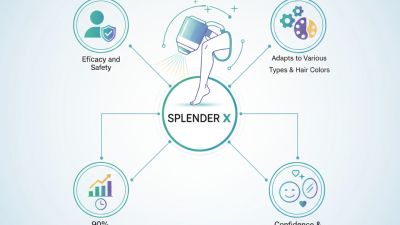
The growing popularity of light sheer laser hair removal reflects its effectiveness and safety. According to a report by the American Society of Plastic Surgeons, over 1.5 million laser hair removal procedures were performed in 2020, highlighting a significant trend in skin treatments. Industry expert Dr. Sarah Thompson states, “Light sheer laser hair removal offers lasting results with minimal discomfort.”
This method utilizes advanced technology to target hair follicles while ensuring the surrounding skin remains unharmed. Users often appreciate the speed of treatments and the reduction in hair regrowth. However, potential candidates should consider skin type and hair color for optimal results. Not all individuals achieve the same effectiveness, and some may experience temporary side effects like redness or swelling.
As demand increases, practitioners must stay informed. Continued education and proper certification are vital for ensuring safety and efficacy. While many enjoy the benefits, awareness of limitations is essential. Each individual's experience with light sheer laser hair removal can differ, making personal consultation crucial before proceeding with treatments.
Understanding Light Sheer Laser Hair Removal Technology
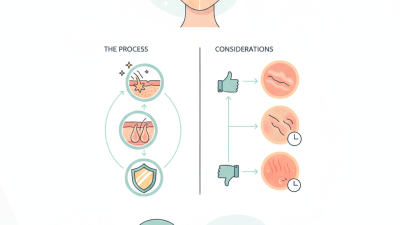
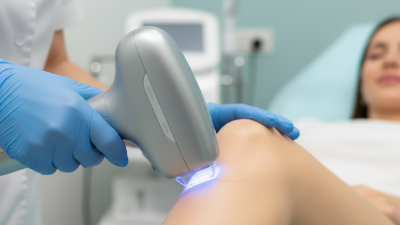
Light Sheer Laser Hair Removal technology employs a specialized process that targets hair follicles. This method uses a concentrated beam of light to damage the follicle while preserving the surrounding skin. Studies indicate that laser hair removal can achieve permanent hair reduction in up to 90% of cases, making it a highly effective option for long-term hair management. The procedure is suitable for various skin types, particularly when advanced cooling technology is integrated, reducing discomfort.
However, users should consider that individual results can vary. Factors such as skin tone, hair color, and the area being treated influence outcomes. For instance, darker hair on lighter skin tends to yield the best results due to the contrast in pigmentation. A report from the American Society for Aesthetic Plastic Surgery highlighted that nearly 1.4 million laser hair removal procedures were performed in 2020, underscoring the growing popularity of this approach.
It’s crucial to seek treatment from qualified professionals. Not all clinics use the latest technology or follow safety protocols. Inadequate training can lead to inconsistent results or side effects, such as skin irritation or discoloration. Reflecting on personal goals helps determine if this method aligns with expectations, especially since multiple sessions are typically required for optimal results.
What is Light Sheer Laser Hair Removal Benefits and Considerations?
| Dimension |
Details |
| Technology |
Uses Diode Laser Technology for hair removal. |
| Skin Types |
Effective for a wide range of skin types, especially lighter skin with darker hair. |
| Pain Level |
Minimal discomfort reported; often described as a snapping rubber band sensation. |
| Treatment Duration |
Sessions typically last between 15 minutes to an hour, depending on the area being treated. |
| Sessions Required |
Generally requires multiple sessions (4-8) for optimal results. |
| Downtime |
Minimal downtime; patients can usually resume normal activities immediately. |
| Risks |
Potential for skin irritation, redness, or hyperpigmentation. |
| Cost |
Average cost ranges from $150 to $400 per session, depending on the treatment area. |
Key Benefits of Light Sheer Laser Hair Removal Treatment
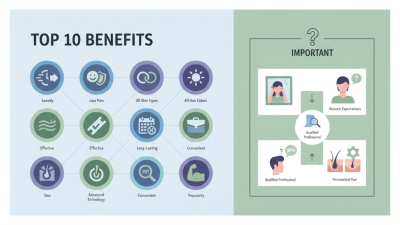
Light Sheer laser hair removal offers significant benefits for those seeking a long-term solution to unwanted hair. The treatment targets hair follicles with precision, reducing hair regrowth over time. According to a study published in the Journal of Cutaneous and Aesthetic Surgery, patients experience an average hair reduction rate of 80% after several sessions. This efficiency makes it a popular option compared to traditional hair removal methods.
The procedure is generally safe and less painful than other laser treatments, thanks to advanced technology that minimizes skin discomfort. Sessions typically last between 20 to 40 minutes, depending on the treatment area. Additionally, many practitioners note the treatment's long-lasting results make it cost-effective in the long run. However, some patients may experience temporary redness or swelling. While minor, these side effects can be a concern and should be discussed with a qualified professional.
Moreover, skin type and hair color play crucial roles in determining treatment effectiveness. Light Sheer technology is ideal for darker hair on lighter skin. A study published in Dermatologic Surgery highlighted the importance of personalized treatment plans tailored to individual needs. This implies that not everyone may see the same results, emphasizing the importance of expert consultation. Understanding these factors helps enhance trust and awareness in potential patients considering this treatment.
Considerations and Precautions Before Undergoing the Procedure
Light Sheer Laser Hair Removal is a popular cosmetic procedure that offers significant benefits. However, potential patients should consider several factors before undergoing treatment. Understanding these aspects can help ensure a safe experience and optimal results.
Before embarking on laser hair removal, individuals should assess their skin type and hair color. According to the Journal of Dermatology, individuals with light skin and dark hair often achieve the best results. The contrast allows the laser to effectively target the hair follicles. Consulting a qualified professional is essential to evaluate suitability.
Hydration is crucial. Keeping the skin moisturized can improve results and comfort during the procedure. If you have conditions such as eczema or psoriasis, you should discuss these with your doctor. These conditions may complicate the treatment. Additionally, avoid sun exposure before and after the procedure to prevent skin irritation.
Patients must also consider the potential side effects like redness and swelling. These effects are usually temporary but can vary from person to person. Some individuals may experience blistering or hyperpigmentation. It's essential to approach this treatment with realistic expectations. Understanding that multiple sessions are often required for optimal results is equally important.
Comparing Light Sheer Laser with Other Hair Removal Methods
When considering hair removal methods, Light Sheer Laser stands out for its effectiveness. This technology offers a precision that many other methods cannot match. Unlike traditional methods, such as shaving or waxing, Light Sheer targets hair follicles. This leads to longer-lasting results. Many users report significant hair reduction after just a few sessions.
Waxing and shaving require frequent maintenance. They can often lead to skin irritation or ingrown hairs. In contrast, Light Sheer treatments are generally well-tolerated. Patients might feel a slight warmth during the procedure, but discomfort is minimal. Moreover, this method is suitable for various skin types. It adapts well to individual needs, making it a preferred choice for many.
However, it is essential to have realistic expectations. Not everyone achieves complete hair removal. Some may require more sessions than anticipated. Skin tone and hair color can impact results, too. Consulting a knowledgeable practitioner is crucial. They can provide personalized insights based on one's specific characteristics.
Post-Treatment Care and Maintenance for Optimal Results
After undergoing Light Sheer laser hair removal, proper post-treatment care is essential to achieve the best results. Initially, your skin may be sensitive and need extra attention. It's important to avoid direct sunlight for at least a week. Wear protective clothing to reduce exposure. If you must go outside, apply sunscreen with a high SPF. This is crucial to prevent pigmentation changes.
Hydration plays a key role in recovery. Drink plenty of water to keep your skin hydrated. Also, use a gentle moisturizer to soothe the treated areas. Some people might experience minor redness, which is usually temporary. Applying a cool compress can help alleviate discomfort. Avoid hot baths or saunas for a few days to minimize irritation.
Finally, regular follow-up sessions are recommended to maintain results. Each person's skin responds differently to treatments. It’s essential to have realistic expectations. Some hairs might regrow, requiring additional sessions. Clearing any uncertainties with your provider can help you navigate what to expect during your recovery process. Always listen to your body, and don’t hesitate to reach out if unexpected reactions occur.
Benefits of Light Sheer Laser Hair Removal