What is Pharma Grade Hyaluronic Acid and Its Benefits?
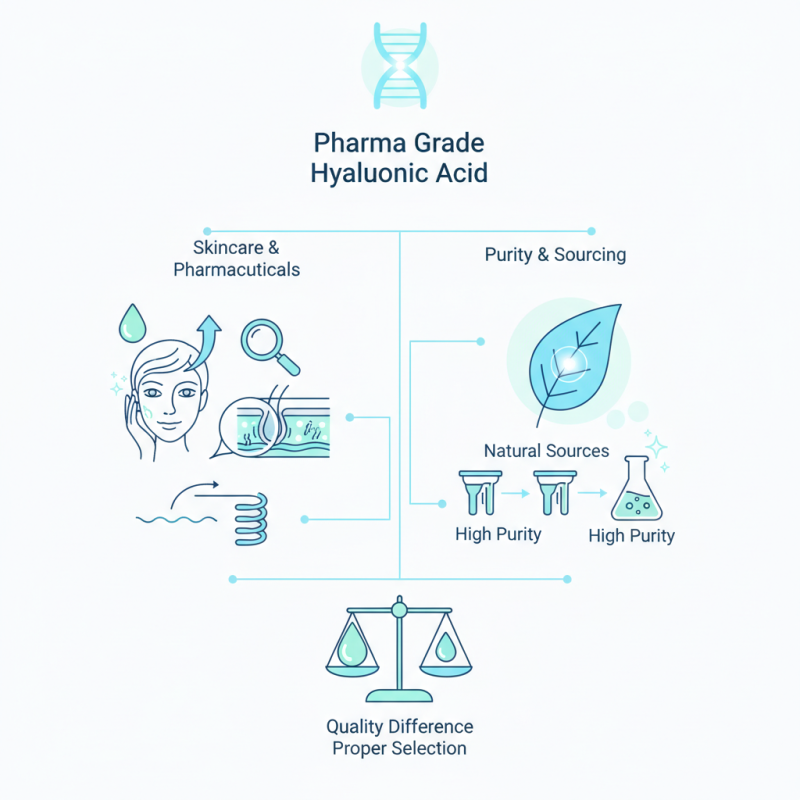
Pharma Grade Hyaluronic Acid is a high-quality ingredient. It is widely used in skincare and pharmaceuticals. This substance is derived from natural sources, but its purity sets it apart.
Using Pharma Grade Hyaluronic Acid offers various benefits. It deeply hydrates the skin, promoting a youthful appearance. Additionally, it helps to reduce fine lines and enhances skin elasticity. Many people notice significant improvements in their skin texture and moisture levels.
However, it’s essential to choose the right product. Not all hyaluronic acid is the same. Some formulations may lack potency or quality. Without proper selection, users might not experience the desired effects. Hence, understanding the differences in grades is vital.
What is Pharma Grade Hyaluronic Acid?
Pharma Grade Hyaluronic Acid refers to a highly purified form of hyaluronic acid. This substance has gained popularity in various medical fields due to its unique properties. According to a recent industry report, the global market for hyaluronic acid is expected to reach $10 billion by 2026. This growth underlines its importance in healthcare and cosmetic industries.
Pharma grade quality means it meets specific standards for purity and safety. It must be free from contaminants and suitable for injection or topical use. This quality control is crucial, as impurities can lead to complications. A study found that 15% of lower quality products had significant side effects. Therefore, using pharma grade hyaluronic acid can reduce these risks significantly.
The benefits of this grade of hyaluronic acid are prominent. It retains moisture effectively, providing hydration to skin and joints. In clinical settings, it is often used for osteoarthritis treatment and dermal fillers. However, while its benefits are clear, the need for ongoing research is evident. Not all products marketed as pharma grade may meet the necessary standards, leaving room for improvement in quality assurance measures.
The Extraction and Production Process of Pharma Grade Hyaluronic Acid
Pharma grade hyaluronic acid is a highly purified form of hyaluronic acid. It is primarily produced through fermentation or extraction from natural sources. The production process is critical in determining its quality and purity.
The fermentation method involves using specific bacteria. These bacteria synthesize hyaluronic acid from simple sugars. The environment must be tightly controlled. Temperature and pH levels are crucial for optimal yield. Sometimes, low yields can be a challenge. It requires careful monitoring throughout the process.
Natural extraction usually comes from rooster combs. This traditional method is less common today. It can lead to inconsistencies in purity. Impurities might remain, affecting its safety and efficacy. Therefore, understanding the extraction methods helps gauge the quality of the product. Ensuring high manufacturing standards is essential for pharmaceutical applications.
Key Benefits of Pharma Grade Hyaluronic Acid in Medicine and Skincare
Pharma grade hyaluronic acid (HA) is a purified, high-quality form used in medical and skincare applications. Its main role is to maintain moisture in tissues. With its unique ability to hold up to 1000 times its weight in water, it is a powerhouse ingredient for hydration. In medicine, it aids in treating joint disorders by lubricating and cushioning joints. This can significantly improve mobility for people with arthritis.
In skincare, pharma grade HA offers remarkable benefits. It deeply hydrates the skin, plumping it up and reducing the appearance of fine lines. Many skincare products now incorporate this ingredient to enhance skin texture. However, not all formulations provide the same results. Some products may contain too much filler, leading to less efficacy. Consumers should be cautious and choose wisely. The purity and concentration of HA matter greatly.
Skepticism is healthy, especially when claims sound too good to be true. Choosing the right product can be challenging. However, those who do find a quality formula often experience visible improvements. The key is to explore, research, and test various options. This way, the benefits of pharma grade hyaluronic acid can truly be realized.
Benefits of Pharma Grade Hyaluronic Acid
Comparing Pharma Grade with Cosmetic and Food Grade Hyaluronic Acid
Pharma grade hyaluronic acid is known for its high purity. It is produced in controlled environments. This ensures minimal contamination. In contrast, cosmetic grade may contain additives. Food Grade Hyaluronic Acid also differs in its processing standards. The differences can affect effectiveness and safety.
Pharma grade is often used in medical products. It plays a vital role in injections and treatments. Its molecular consistency is crucial for therapeutic use. Cosmetic grade may not offer the same reliability for advanced procedures. Food grade is safe for consumption but lacks the same effectiveness for skin treatments.
When comparing these grades, quality matters. Each grade serves different purposes. Yet, consumer education on these distinctions is lacking. Many may not realize the potential impact on results. This lack of awareness is concerning in an industry so reliant on efficacy.
Safety and Regulation Standards for Pharma Grade Hyaluronic Acid Usage
Pharma grade hyaluronic acid is a high-quality substance widely used in medical and cosmetic applications. Its safety and regulation standards are crucial for ensuring effectiveness and minimizing risks. Regulatory bodies enforce strict guidelines that manufacturers must follow. These guidelines cover production processes, testing, and end-product quality. It is essential for consumers and practitioners to understand these standards.
The manufacturing process is closely monitored. Heavy metals, bacteria, and other contaminants must not exceed specific limits. Regular testing is needed during production. This reduces the risk of adverse effects. Practitioners often review these standards before using hyaluronic acid in treatments or products.
**Tips:** Always check for certifications when purchasing products. Look for indicators of quality. Ask healthcare providers about their sourcing and usage to ensure safety. Trustworthy suppliers operate under strict regulatory standards. You deserve safe products, so investigate before use.
What is Pharma Grade Hyaluronic Acid and Its Benefits? - Safety and Regulation Standards for Pharma Grade Hyaluronic Acid Usage
| Parameter | Details |
| Definition | Pharma Grade Hyaluronic Acid is a highly purified form suitable for use in medical and cosmetic applications. |
| Molecular Weight | Typically ranges from 5,000 to 1,000,000 Da, influencing its effectiveness in various applications. |
| Source | Extracted from microbial fermentation or animal tissues, ensuring high purity and safety standards. |
| Benefits | Provides hydration, promotes wound healing, and improves skin elasticity. |
| Safety Standards | Must comply with strict regulations such as EMA and FDA guidelines for pharmaceutical products. |
| Applications | Used in injectable fillers, eye surgeries, and topical skincare products. |
| Regulatory Bodies | Regulated by organizations such as the FDA (U.S.) and EMA (Europe) ensuring safety and efficacy. |