What Are the Top Types of Laser Hair Removal?

Choosing among the types of laser hair removal is not simply a matter of selecting the newest device. Skin tone, hair color, hair thickness, treatment area, and medical history all influence the safest option. Alexandrite lasers often suit lighter skin with dark hair. Diode lasers offer versatility across several skin tones. Nd:YAG lasers are commonly considered for darker skin because they use longer wavelengths and can reduce certain pigmentation risks. Intense pulsed light, or IPL, is often discussed alongside lasers, but it is not a true laser.

Board-certified dermatologist Dr. Tina Alster explains, “Laser hair removal works by targeting pigment in the hair follicle.” That principle matters. A practitioner should examine the follicle, not promise instant perfection. Hair grows in cycles, so several sessions are usually needed. Results also vary.

This guide compares the major types of laser hair removal through practical details. Expect discussion of comfort, treatment speed, skin compatibility, maintenance, and possible side effects. A cooling tip may feel like a quick snap against the skin. Mild redness can resemble tiny sunburn spots. Proper eye protection, calibrated settings, and a patch test remain essential.

No single laser wins for everyone. That is the part many articles oversimplify. Even experienced clinics can face uneven results, especially with light hair, hormonal changes, or inconsistent appointments. A qualified medical professional should assess your skin before treatment. This overview supports informed questions, but it cannot replace an individualized consultation.
What Are the Top Types of Laser Hair Removal?

How Laser Hair Removal Technologies Work

Laser hair removal works through selective photothermolysis. Light targets melanin in the hair shaft and follicle. Heat then damages the follicle’s growth center. The process is most effective during the anagen phase, when hair is actively growing. Not every follicle enters this phase together. That is why several appointments are usually needed.

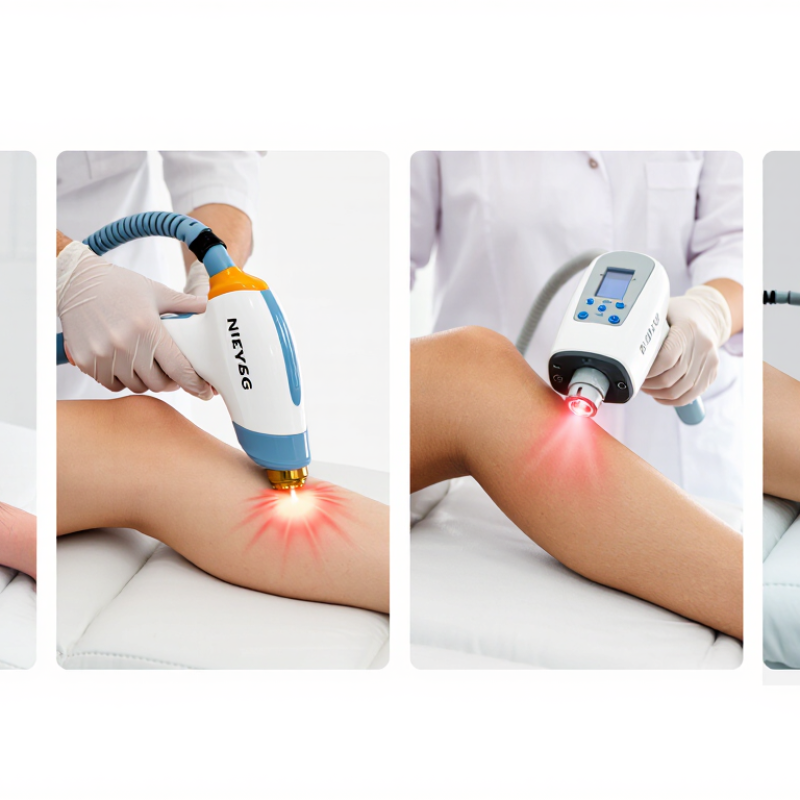
The main laser types include alexandrite, diode, and Nd:YAG systems. Alexandrite commonly uses a 755-nanometer wavelength and suits lighter skin with darker hair. Diode systems often operate near 810 nanometers, offering adaptable treatment settings. Nd:YAG uses 1064 nanometers and generally penetrates deeper, making it useful for darker skin tones when properly adjusted. IPL is often grouped with laser hair removal, but it is technically a broad-spectrum light treatment, not a true laser.

A 2024 Grand View Research report estimated the global laser hair removal market at over 1 billion dollars in 2023. That growth reflects wider access, not guaranteed results. The American Academy of Dermatology warns that hair color, skin tone, hormones, and treatment settings influence outcomes. Light hair remains difficult because it contains less melanin. Patch testing matters. Cooling can reduce the sharp, warm snap felt on skin, but discomfort varies. The word “permanent” is also too neat; long-term reduction is more accurate, and occasional maintenance may still be necessary.

Alexandrite Laser: Best Uses and Skin-Type Considerations

Alexandrite laser uses a 755-nanometer wavelength, targeting melanin inside the hair follicle. It usually suits lighter skin tones, especially Fitzpatrick types I to III, with dark, coarse hair. The contrast helps the laser distinguish hair from surrounding skin. It can feel like warm pinpricks. Cooling systems often reduce discomfort.

Skin type still matters. On deeper skin tones, excess melanin may absorb energy and increase burn or pigment-change risks. Some experienced clinicians may treat type IV skin cautiously, using lower settings, longer intervals, and careful cooling. Types V and VI often require other wavelengths. A patch test remains sensible. It is not optional in my view.

The 2023 ISAPS Global Survey recorded more than 19 million nonsurgical aesthetic procedures worldwide, although it did not separate alexandrite treatments. That figure shows strong demand, not guaranteed results. Clinical reviews in Lasers in Medical Science describe alexandrite as effective for suitable hair-and-skin combinations, but results vary with hormones, hair thickness, and treatment timing. Many patients need several sessions because lasers mainly affect hairs in active growth. Shaving is usually preferred before treatment; waxing removes the target follicle. A common mistake is chasing maximum power. More energy is not automatically better. Skin response should guide adjustments. Even then, maintenance treatments may be necessary.

Diode Laser: A Versatile Option for Hair Reduction

Diode laser is a versatile option for reducing unwanted hair. It commonly uses wavelengths near 800–810 nanometers. These wavelengths target melanin in the hair follicle while limiting heat exposure to nearby skin. The method often works well on dark, coarse hair and several skin tones. However, “works well” is not the same as “works equally well.”

A 2024 analysis by Grand View Research estimated the global laser hair removal market at about USD 1.03 billion in 2023. It also projected strong growth through 2030. That growth reflects wider access, not guaranteed results.

Clinical experience shows that treatment usually requires multiple sessions because hair grows in different cycles. A patient may notice slower regrowth after several visits, while fine or pale hair can respond poorly. Results vary.

During treatment, freshly shaved skin may feel warm, with brief snapping sensations. Cooling can make the process easier. A qualified practitioner should review medications, tanning, skin sensitivity, and hair color before treatment. A patch test is sensible, especially for deeper skin tones or recently tanned skin. Eye protection is essential. Diode systems can be adjusted for pulse duration, fluence, and cooling, but poor settings may cause burns or pigment changes. That risk deserves honest discussion. Professional guidelines and device instructions should shape every session, not sales promises.

Nd:YAG Laser: A Safer Choice for Deeper Skin Tones

What Are the Top Types of Laser Hair Removal?

Laser hair removal may involve alexandrite, diode, or Nd:YAG technology. Each uses a different wavelength and suits different skin and hair combinations. Nd:YAG lasers use a longer 1,064-nanometer wavelength. This energy reaches the follicle while limiting absorption by surface melanin. That difference matters. It can reduce the chance of burns and pigment changes for deeper skin tones when used correctly.

Safety still depends on more than the device. A qualified clinician should assess skin tone, hair thickness, recent tanning, medications, and healing history. They should also perform a patch test before treating a larger area. During treatment, patients may feel warm snaps, like tiny rubber-band taps. Cooling can make the process more comfortable. Dark, coarse hair often responds well, while pale, red, or grey hair may respond poorly because it contains less target pigment.

Nd:YAG is not automatically the best choice for everyone. Results vary, and several sessions are usually needed because hair grows in cycles. Some people notice temporary redness or swelling around each follicle. Rarely, incorrect settings can cause blistering or lasting color changes. A careful practitioner should explain those risks plainly, not promise perfect removal. I would also question any plan that skips sun protection or follow-up care. The safest treatment is personalized, measured, and adjusted after observing how the skin actually responds.

What Are the Top Types of Laser Hair Removal? - Nd:YAG Laser: A Safer Choice for Deeper Skin Tones

Laser type Typical wavelength Best suited for Deeper skin-tone considerations Hair characteristics Common treatment areas Typical comfort and safety notes
Nd:YAG 1,064 nm A broad range of skin tones, including naturally deep skin tones Generally the preferred laser option for darker skin because its longer wavelength penetrates deeper and is absorbed less by epidermal melanin Coarse, dark hair usually responds best; fine or light hair responds less reliably Legs, underarms, bikini area, back, chest, and face when clinically appropriate Often feels like brief snaps of heat; conservative settings, cooling, and a test spot can help reduce burn or pigment-change risk
Diode Commonly around 800–810 nm Light to medium skin tones with dark, coarse hair; some systems are used on darker skin with appropriate settings Can be used cautiously on deeper tones, but operator experience, cooling, and individualized energy settings are especially important Dark, medium-to-coarse hair generally provides the strongest response Legs, arms, underarms, bikini area, chest, and back Moderate warmth or snapping sensations are common; temporary redness or follicular swelling may occur
Alexandrite 755 nm Light to olive skin tones with dark hair Higher epidermal melanin absorption makes it less suitable for deep skin tones unless a qualified professional determines that it is appropriate Effective mainly for dark, coarse hair; may work efficiently on larger areas Legs, arms, back, chest, and other larger body areas Cooling is commonly used; temporary redness and swelling around follicles are possible
Ruby 694 nm Very light skin with dark hair Generally unsuitable for darker skin because the shorter wavelength is absorbed more strongly by epidermal melanin Best response is usually seen with dark, coarse hair Smaller body areas and selected treatment zones May feel warm or sharp; careful skin assessment is necessary because pigment-related side effects are more concerning
IPL (not a laser) Broad-spectrum filtered light, commonly about 500–1,200 nm Light to medium skin tones with dark hair, depending on the device and treatment settings Often carries greater pigment-absorption concerns for deep skin tones than long-pulsed Nd:YAG treatment Dark hair usually responds better than blonde, red, gray, or white hair Legs, arms, underarms, bikini area, and other larger areas Typically feels like short snaps of heat; suitability depends strongly on skin tone, tanning history, and device settings

Results vary with hair color, hair thickness, skin tone, hormones, treatment area, and the growth cycle. Multiple sessions are usually required because laser treatment is most effective during the active growth phase. A qualified medical professional should assess the skin and hair before treatment, especially for recently tanned or deeper skin tones.

IPL: How This Non-Laser Alternative Compares

Laser hair removal includes alexandrite, diode, Nd:YAG, and IPL technologies. IPL is not technically a laser. It uses a broad light spectrum, commonly about 500–1,200 nanometres, while lasers deliver one concentrated wavelength. This difference affects treatment precision, comfort, and suitability for different skin tones.

IPL can reduce regrowth on suitable combinations of skin and hair colour. However, it usually needs several sessions because light targets hairs during their active growth phase. The U.S. Food and Drug Administration defines “permanent hair reduction” as a long-term, stable decrease in regrowing hairs, not complete removal. That wording matters. Results are rarely absolute.

A 2023 systematic review in Lasers in Medical Science reported that photoepilation outcomes vary substantially by device settings, body area, hair thickness, and patient characteristics. Darker, coarse hair often responds better than pale, red, or grey hair. IPL may also carry greater overheating risks for deeper skin tones if settings are poorly selected. A qualified clinician should review recent tanning, medications, pigmentation history, and test-spot response before treatment. Safety is not automatic.

Compared with laser systems, IPL can cover larger areas quickly and may feel less intense. Yet “less intense” does not mean risk-free. Temporary redness, swelling, blistering, or pigment changes can occur. Clinical judgment still matters more than attractive treatment promises.

What Are the Top Types of Laser Hair Removal? — IPL: How This Non-Laser Alternative Compares

Laser hair removal uses a concentrated wavelength, while IPL is a non-laser technology that emits a broader range of light. Common laser systems operate at specific near-infrared or visible wavelengths, whereas IPL commonly uses filtered light across approximately 500–1,200 nm. Actual ranges vary by device, filter, and treatment settings.

Lumenis logo