How to Use Intense Pulsed Light for Skin Rejuvenation?
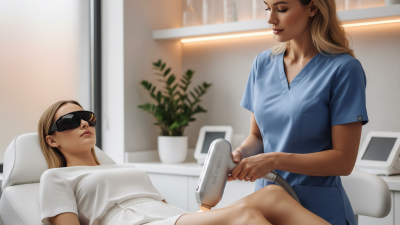
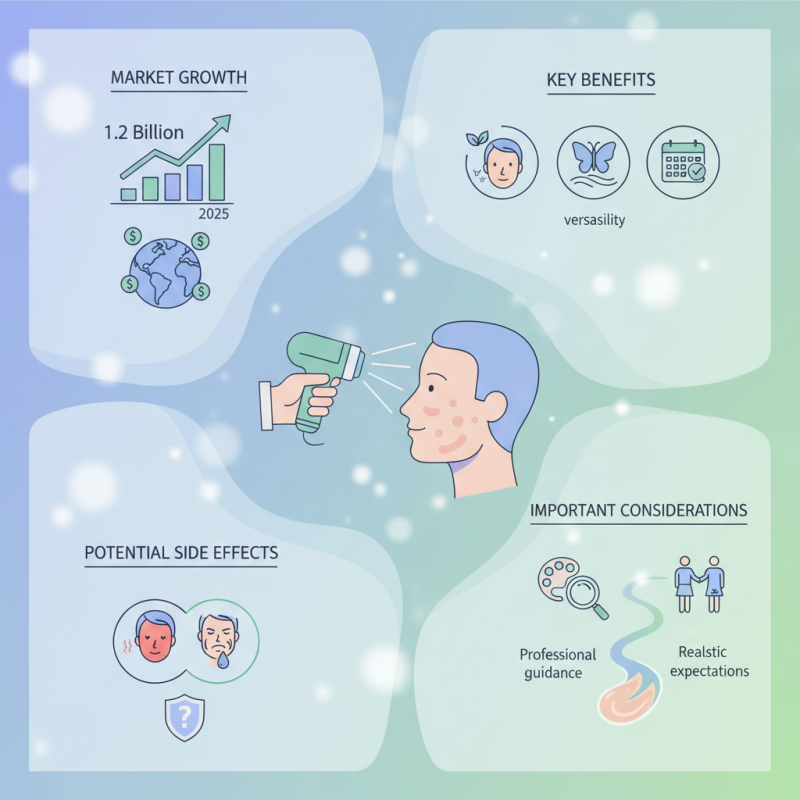
Intense Pulsed Light (IPL) therapy is gaining traction in the skin rejuvenation field. Recent data indicates that the global market for IPL devices is expected to reach $1.2 billion by 2025. This growth is largely due to increased demand for non-invasive aesthetic procedures. IPL offers an effective option for treatments like acne scars, pigmentation, and photoaging.
One major advantage of intense pulsed light is its versatility. Unlike laser treatments, IPL can address multiple skin concerns in one session. Many users report improvement after just a few treatments. However, some individuals experience side effects such as redness or swelling. Awareness of these potential reactions is crucial for informed decision-making.
Despite its benefits, IPL may not be suitable for everyone. Skin type and various underlying conditions should be assessed beforehand. Ensuring that patients have realistic expectations is also vital. Ultimately, integrating intense pulsed light into a skincare routine requires careful consideration and professional guidance. The journey to smoother, rejuvenated skin is achievable, yet awareness of its complexities is essential.
Understanding Intense Pulsed Light and Its Benefits for Skin Rejuvenation
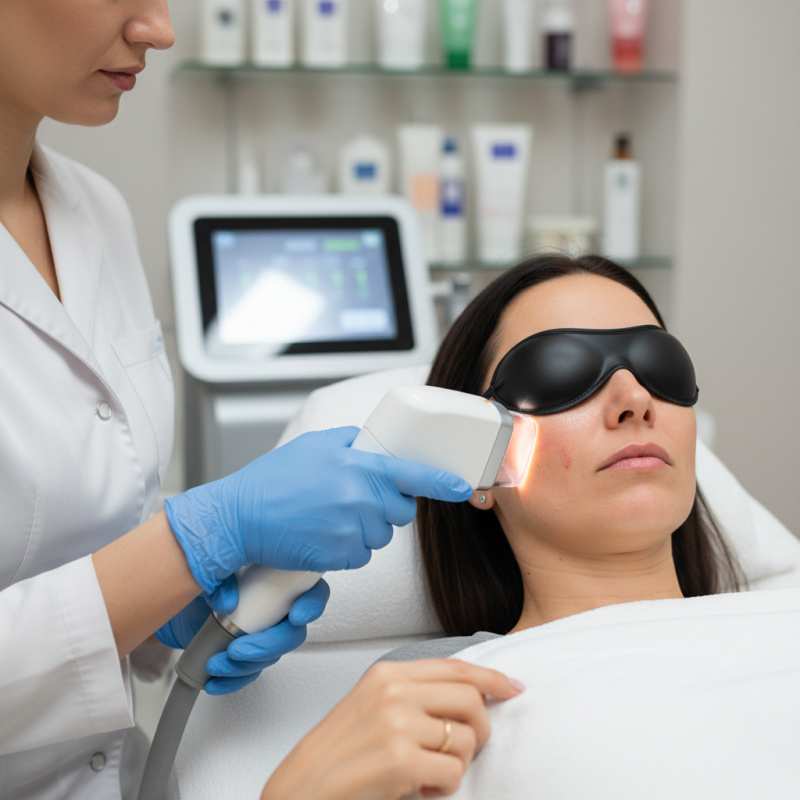
Intense Pulsed Light (IPL) is a popular treatment for skin rejuvenation. This innovative technology uses broad-spectrum light to target various skin concerns. It works by delivering light energy to the skin, stimulating collagen production. This can result in smoother, firmer skin over time.
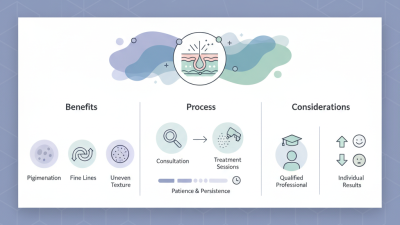
There are many benefits to using IPL for skin rejuvenation. It can significantly reduce sun damage and hyperpigmentation. Users often see improvements in skin tone and texture. Some may even notice a reduction in fine lines and wrinkles after a series of treatments. However, results can vary based on skin type and condition.
Tips for a successful IPL experience include consulting with a qualified professional. Understanding your skin type is crucial. Prepare your skin well before treatment. Avoid sun exposure and tanning products. After treatment, use gentle skincare products to minimize irritation. Remember, everyone reacts differently. Monitor your skin’s healing process. Adjust your aftercare routine as needed.
Skin Rejuvenation Benefits of Intense Pulsed Light (IPL)
This bar chart illustrates various benefits of Intense Pulsed Light (IPL) for skin rejuvenation. Each benefit is scored based on its effectiveness, with wrinkle reduction scoring the highest. IPL is known for improving skin tone and reducing pigmentation and blood vessels, making it a popular choice for cosmetic treatments.
Preparation Steps Before an Intense Pulsed Light Treatment Session
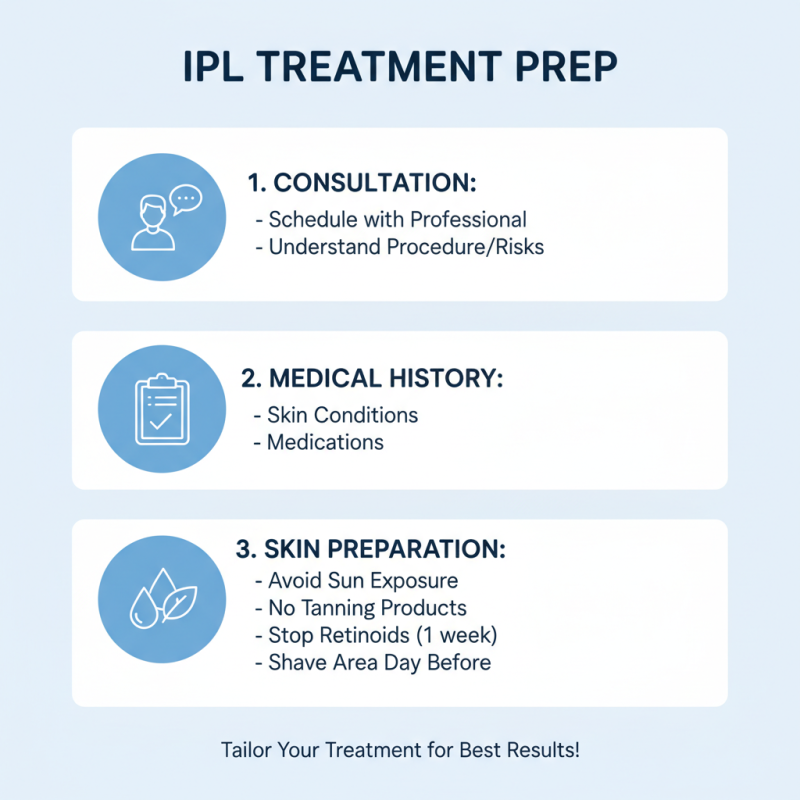
Before undergoing an intense pulsed light (IPL) treatment, it’s essential to prepare your skin properly. Start by scheduling a consultation with a skilled professional. This step ensures you understand the procedure and any potential risks involved. Discuss your medical history. Mention any skin conditions or medications. This information helps the technician tailor the treatment to your needs.
In the days leading up to your session, avoid sun exposure. Direct sunlight can make your skin more sensitive. Use a broad-spectrum sunscreen if you must go outside. Hydrate your skin well. Apply a good moisturizer to keep it supple. It’s also advisable to avoid certain products. Steer clear of retinoids and exfoliants. These can irritate your skin before treatment.
On the day of your appointment, arrive with clean skin. This means no makeup, lotions, or creams. Wear comfortable clothing so you can relax during the session. If you have any concerns or questions, voice them to the technician. Communication is crucial. Remember, while IPL can offer great results, individual responses may vary. It’s okay to have doubts; reflection is part of the process.
Post-Treatment Care and Skin Maintenance After IPL Sessions
After undergoing Intense Pulsed Light (IPL) treatments, proper post-care is crucial for optimal results. Skin may appear red or feel sensitive, which is normal. It's important to avoid sun exposure right after the session. Wearing sunscreen with a high SPF is a must, even when indoors.
Hydration is key to skin recovery. Drink plenty of water to keep your skin moisturized. Using gentle, fragrance-free moisturizers can help soothe the skin. Avoiding harsh chemicals or exfoliants for at least a week post-treatment allows your skin to heal naturally. Some people may notice peeling or flaking; this can be concerning but is usually part of the recovery process.
Monitoring how your skin reacts is important. If excessive redness or discomfort occurs, consult a professional. Staying patient is essential, as results take time to manifest. Incorporating a balanced diet rich in antioxidants may also enhance skin healing and rejuvenation. Remember, everyone’s skin responds differently, so listening to your body is vital.
How to Use Intense Pulsed Light for Skin Rejuvenation? - Post-Treatment Care and Skin Maintenance After IPL Sessions
| Aspect |
Recommendations |
Care Tips |
Timeframe |
| Immediate Post-Treatment |
Apply a soothing gel or cool compress |
Avoid touching or picking at the skin |
First 24 hours |
| Sun Protection |
Use a broad-spectrum sunscreen with SPF 30+ |
Reapply every 2 hours when outdoors |
Ongoing |
| Moisturization |
Use a gentle, hydrating moisturizer |
Consider products with hyaluronic acid |
Daily |
| Avoiding Irritants |
Steer clear of harsh exfoliants and retinoids |
Opt for gentle cleansers |
First 2 weeks |
| Hydration |
Drink plenty of water to keep skin hydrated |
Add electrolyte-rich beverages |
Ongoing |
| Follow-Up Treatments |
Consult your practitioner for a schedule |
Track your skin’s response to treatments |
As recommended |
Potential Side Effects and Risks Associated with Intense Pulsed Light Therapy
Intense Pulsed Light (IPL) therapy is gaining popularity in skin rejuvenation. However, patients should be aware of potential side effects and risks. A study published in the Journal of Clinical and Aesthetic Dermatology notes that about 10% to 20% of patients may experience adverse effects. Common reactions include redness, swelling, and minor pain at the treatment site.
More serious risks can occur, though they are rare. Discoloration of the skin can happen, especially in those with darker skin tones. Hypopigmentation is a concern, particularly for individuals with a historical tendency for skin lightening. A report from the American Academy of Dermatology highlights that approximately 5% of patients experience long-term changes in skin texture or color. These effects can be disheartening and require careful management post-treatment.
Patients should have a thorough consultation before proceeding. It is crucial to disclose any prior skin conditions or treatments. A cautious approach can help mitigate risks. Skin types vary, and individual responses can differ significantly. Awareness and understanding of these factors can lead to better patient outcomes in IPL therapy. Let's talk about these concerns openly, ensuring every individual feels informed and empowered.