Why Choose Clear Self Ligating Braces for Dentists?

Choosing Clear Self Ligating Braces is not simply a decision about appearance. For dentists, it involves diagnosis, biomechanics, patient expectations, and long-term stability. These brackets use a built-in sliding door instead of traditional elastic ligatures. The design may reduce wire-binding and simplify some clinical procedures. However, it does not replace careful treatment planning.

Dr. Dwight Damon, the orthodontist associated with the Damon System, has stated, “The goal is not to move teeth faster, but to move them more naturally.” This principle remains useful for modern dental teams. A bracket alone cannot guarantee shorter treatment or fewer appointments. Patient age, bone structure, crowding, hygiene, and cooperation still shape the result. Real cases are rarely perfect.

For dentists, Clear Self Ligating Braces can offer practical advantages. The opening mechanism gives clinicians easier access during archwire changes. Patients may also appreciate a cleaner appearance and fewer visible elastic ties. In a busy clinic, these small details can improve the chairside experience. Yet, the evidence should be considered carefully. Some claimed benefits are modest, and outcomes may vary between patients and treatment systems.

The best choice depends on the individual case. That matters most. Dentists should compare bracket design, clinical evidence, training requirements, and patient needs before recommending treatment. A clear explanation builds trust. It also prevents unrealistic promises. This article examines why Clear Self Ligating Braces may suit certain practices, while recognizing their limitations and the importance of professional judgment.
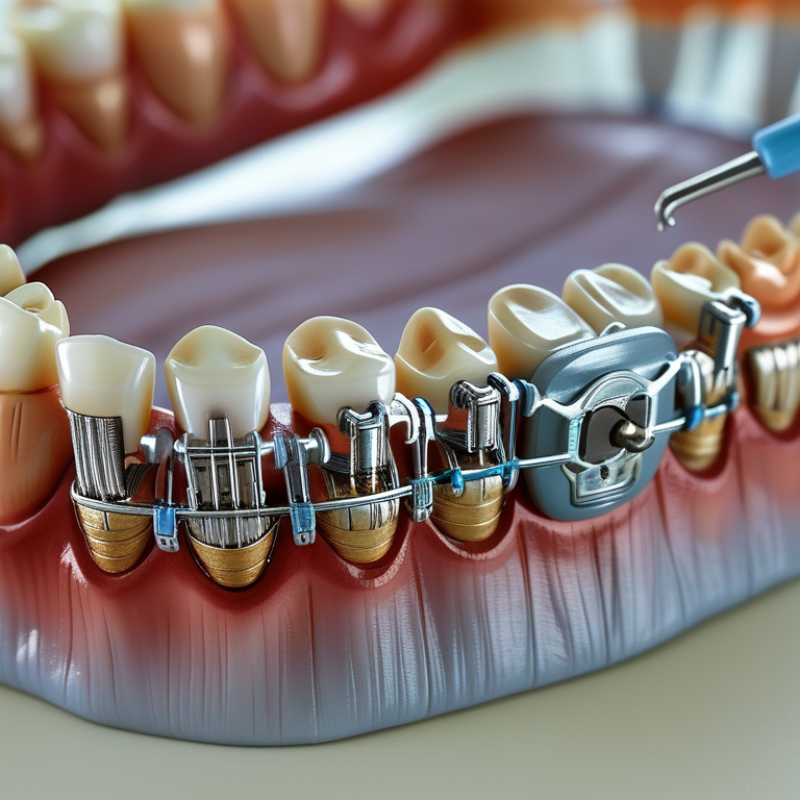
Why Choose Clear Self Ligating Braces for Dentists?

What Are Clear Self-Ligating Braces?

Clear self-ligating braces are fixed orthodontic appliances made from tooth-colored ceramic brackets. They use a small built-in clip instead of elastic ligatures. The clip holds the archwire inside a slot. This design can make wire changes more efficient during appointments. However, clear does not mean invisible. Under close inspection, the brackets remain noticeable, especially with coffee, tea, or plaque buildup.

Their appearance is the main reason many adults ask about them. Ceramic materials can blend with natural enamel, while the metal archwire remains visible. In clinical practice, dentists must also assess enamel strength, bite forces, hygiene habits, and treatment complexity. Ceramic brackets may be more brittle than metal brackets. Their clip can also require careful handling. Small details matter.

The evidence is less dramatic than some advertisements suggest. A Cochrane review found insufficient evidence that self-ligating brackets consistently shorten total treatment time or improve final results. A systematic review in the European Journal of Orthodontics also reported no clinically meaningful advantage in overall treatment duration. Chairside efficiency may improve in selected cases, but it is not guaranteed. Patient cooperation still influences progress. Brushing around the clip is sometimes difficult. I would question any claim promising faster treatment for everyone. A personalized examination, radiographs, and an orthodontist’s treatment plan remain more reliable than bracket type alone.

How Do Clear Self-Ligating Braces Work?

Clear self-ligating braces use a built-in sliding clip or door to hold the archwire. Traditional braces usually need elastic ligatures. The clip opens during wire changes and closes around the wire afterward. This creates a cleaner, simpler interface around each bracket. Clear ceramic materials also make the appliance less noticeable in photographs and daily conversations.

The wire guides tooth movement through controlled, gentle force. As teeth shift, the orthodontist changes wire size, shape, or stiffness. The clip does not move teeth by itself. Diagnosis, attachments, elastic wear, and bone response still determine the result. A Cochrane review of 20 studies and 1,770 participants found no clinically important evidence that self-ligating brackets reduce overall treatment time or pain. That finding matters. The mechanism is efficient, but it is not magic.

Clinical experience also shows practical differences. The absence of elastic ties may reduce visible staining around the bracket. However, clear ceramic surfaces can fracture or wear when handled poorly. A 2020 systematic review in the Angle Orthodontist reported broadly similar treatment outcomes between self-ligating and conventional systems. Some appointments may feel quicker, although the evidence remains mixed. Patients should question dramatic speed claims. Good records, calibrated force, and regular reviews remain more important than the closing clip. Dentistry is rarely that tidy.

Key Clinical Benefits for Dentists

Clear self-ligating braces can improve daily clinical handling for orthodontists. Their built-in clips hold the archwire without separate elastic modules. This may reduce ligation steps during appointments. In a busy clinic, fewer small components can simplify tray preparation and wire changes.

Clinical evidence remains more balanced than marketing often suggests. A Cochrane Database of Systematic Reviews assessment examined 27 studies involving more than 1,800 participants. It found little reliable evidence that self-ligating systems significantly reduce total treatment time or appointment numbers. That matters. Dentists should not promise faster treatment without considering case complexity, operator technique, and patient cooperation.

The strongest practical benefit may involve workflow consistency. A 2014 systematic review in Progress in Orthodontics reported modest treatment-time differences, but also highlighted study variation and limited clinical importance. For dentists, smoother wire engagement can improve chairside control, especially with crowded teeth or frequent adjustments.

Yet clip design, hygiene, breakage, and repair needs still require monitoring. The evidence is not perfect. Careful case selection remains essential.

Patient comfort also deserves honest discussion. Some studies report less discomfort during archwire placement, while others show minimal differences from conventional systems. Dentists should explain this uncertainty clearly. Professional judgment, accurate records, and regular review should guide the appliance choice—not convenience alone.

Patient Selection and Treatment Considerations

Why Choose Clear Self-Ligating Braces for Dentists?

Patient Selection and Treatment Considerations

Clear self-ligating braces can improve visual appeal, but appearance should not drive case selection. Dentists should assess malocclusion severity, periodontal health, enamel quality, oral hygiene, and expected cooperation. A crowded lower arch is not automatically a suitable case. Growth patterns and skeletal discrepancies also require careful evaluation.

Clinical evidence remains less impressive than marketing language. A 2015 Cochrane Review assessed 25 studies involving 2,130 participants. It found no clinically important reduction in treatment time with self-ligating systems. The evidence quality was low. A systematic review in the European Journal of Orthodontics also reported inconsistent differences in discomfort, appointments, and finishing quality.

Patient behavior still matters.

During consultation, show patients a clear retainer schedule and a realistic cleaning routine. Explain that transparent brackets can stain, fracture, or lose their cosmetic advantage when hygiene declines. Patients with active gingival inflammation may need stabilization before orthodontic treatment begins. Severe rotations, extraction spaces, or complex bite discrepancies may demand different mechanics and closer monitoring.

Treatment planning should include torque control, anchorage needs, wire sequencing, and emergency access. A smaller bracket profile may feel comfortable, yet comfort does not guarantee efficient tooth movement. I would avoid promising faster results. Our assumptions can be wrong, especially when evidence is limited and individual biology varies. Record baseline photographs, periodontal findings, and compliance risks before bonding.

Practice and Maintenance Requirements

Clear self-ligating braces can streamline orthodontic care, but they still demand disciplined practice and maintenance. Their clips hold the archwire, reducing the need for elastic ligatures during adjustments. This may shorten certain chairside steps. It does not replace diagnosis, biomechanics, or clinical judgment. Dentists need practical training in clip engagement, wire selection, torque control, and emergency management. A well-planned case remains more important than bracket design. In clinical practice, small placement errors can create unwanted rotations or delayed progress. That detail is easy to underestimate.

A reliable practice should use a documented bonding protocol, accurate moisture control, and consistent photographic records. Check each clip at every visit. Look for incomplete closure, trapped debris, loose brackets, and wire distortion. Use suitable instruments and avoid excessive force, especially with older or damaged clips. Patients need clear cleaning instructions, including interdental brushing around the bracket base. Sticky foods and poor brushing can turn a convenient system into a hygiene problem. Review discomfort, breakages, and missed appointments honestly. Some treatment delays reflect communication failures, not appliance limitations. That deserves reflection.

Tips: Keep spare wires, opening instruments, and repair materials organized. Give patients a simple illustrated cleaning guide. Record clip function and wire changes in every visit note. Schedule reviews according to movement, hygiene, and risk, rather than a fixed routine. If a mechanism behaves unexpectedly, pause and reassess before applying force. Small habits protect treatment quality.

Lumenis logo