What Is ResurFX Laser and How Does It Work?
ResurFX laser is a non-ablative fractional treatment designed to improve uneven texture, fine lines, and some acne scars. It uses 1565-nanometer laser energy to create tiny zones of controlled heat beneath the skin’s surface. The surrounding tissue remains largely intact. That detail matters: the treatment aims to stimulate collagen remodeling without removing the entire outer skin layer.
What does a session feel like? Patients may notice warmth, brief prickling, and redness afterward. Recovery varies. Results also vary, and usually develop gradually rather than overnight. Several sessions may be recommended, depending on the concern, skin condition, and treatment plan. A qualified clinician should assess whether ResurFX is appropriate, explain possible side effects, and tailor settings to the individual. No laser fits everyone.
Dr. Rox Anderson’s foundational research on selective photothermolysis helps explain the broader principle behind energy-based skin treatments: deliver energy to a chosen target while limiting effects on nearby tissue. However, I cannot verify a direct quotation from him specifically about ResurFX, so I will not present invented words as his. That distinction matters. ResurFX is a particular device, and its safety and likely results depend on proper patient selection and skilled use. This guide explores how the technology works, what a treatment may involve, and which questions to raise during a consultation. The science is useful, but individual outcomes are never guaranteed.
What Is ResurFX Laser and What Is It Designed to Treat?
What Is ResurFX Laser and How Does It Work?
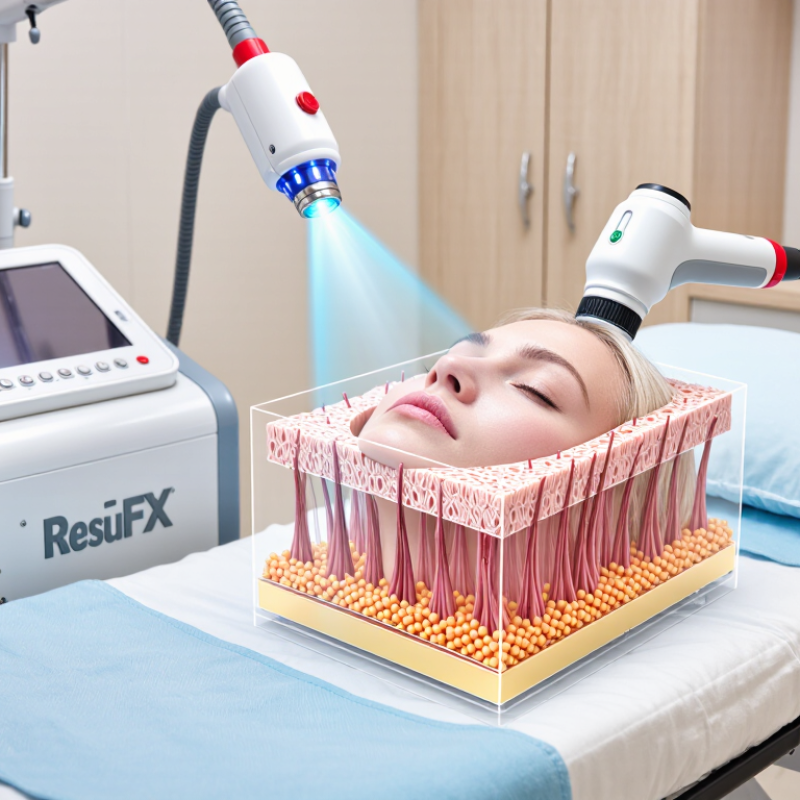
ResurFX laser is a non-ablative fractional treatment using approximately 1,565-nanometer light. It sends narrow columns of heat into the dermis while leaving most of the surface intact. This controlled injury encourages collagen remodeling and gradual skin renewal. The epidermis remains largely preserved, so recovery is usually shorter than with fully ablative resurfacing.
What Is ResurFX Laser and What Is It Designed to Treat?
The treatment is designed for fine lines, uneven texture, enlarged pores, mild sun damage, acne scars, and some stretch marks. It may also improve early skin laxity, but it cannot remove substantial sagging. A 2023 International Society of Aesthetic Plastic Surgery report recorded more than 19 million non-surgical aesthetic procedures worldwide, reflecting strong demand for treatments with limited downtime. Clinical reviews of fractional, non-ablative lasers also report visible texture improvement after several sessions, rather than one dramatic appointment.
Most treatment plans involve three to five sessions, often spaced several weeks apart. Temporary redness, warmth, swelling, or darker spots can occur. Results vary with skin tone, scar depth, hormonal changes, and aftercare. That limitation matters. It is not a magic eraser. Treatment should be selected after a qualified medical assessment, especially for melasma or darker skin tones, where pigment changes require careful settings and realistic expectations.
How Does ResurFX Fractional Laser Technology Work?
ResurFX is a fractional, non-ablative laser treatment designed to improve skin texture and tone.
It delivers controlled laser energy beneath the surface without removing the entire outer layer. The energy creates narrow columns of heat in the dermis. Surrounding skin remains untreated, helping the area recover more efficiently.
The body responds by producing new collagen and reorganizing older collagen fibers. Over time, this process may soften fine lines, acne scars, enlarged pores, and uneven pigmentation. Results develop gradually. Patience matters.
During treatment, patients may feel warmth, snapping, or mild stinging. Redness and swelling can last for several hours or days. A trained medical professional should adjust the wavelength, energy, and treatment density for each skin type.
Darker skin may need conservative settings because excess heat can increase pigmentation risk. Eye protection is essential.
Fractional technology does not treat every cell at once. That is its practical advantage, but it also means multiple sessions may be needed. It is not a magic eraser. A careful consultation should review medications, recent tanning, active skin conditions, healing history, and personal expectations.
After treatment, gentle cleansing, moisturizer, and daily broad-spectrum sunscreen support recovery. Even with good technique, individual results can vary.
What Skin Changes Can ResurFX Help Improve?
ResurFX is a non-ablative fractional laser designed to improve skin without removing its entire surface. It delivers controlled heat into targeted columns beneath the outer layer. This process encourages collagen remodeling over time. The surrounding skin remains intact, which may support a shorter recovery period than stronger resurfacing treatments.
The treatment can help soften fine lines, especially around the mouth and eyes. It may also improve mild to moderate acne scars and rough skin texture. Uneven tone, sun-related discoloration, enlarged-looking pores, and some stretch marks can respond as well. Skin often feels smoother before visible changes become obvious. Be patient.
Results are gradual, not instant. Several sessions may be recommended, depending on the concern, skin type, and treatment intensity. A qualified medical professional should assess active acne, pigmentation conditions, scarring patterns, and previous procedures before treatment. Darker skin tones may require conservative settings to reduce the risk of temporary discoloration. That detail matters.
Some people experience redness, warmth, swelling, or small grid-like marks for a few days. Strict sun protection is essential during recovery. A gentle cleanser and moisturizer may be advised, while irritating products should usually wait. Improvement can be meaningful, but ResurFX cannot erase every scar or restore damaged skin perfectly. A realistic plan is often more useful than an aggressive one.
What Is ResurFX Laser and How Does It Work? — What Skin Changes Can ResurFX Help Improve?
| Topic |
What to Know |
Practical Considerations |
| Laser type |
ResurFX is a non-ablative fractional laser treatment that uses 1565 nm light to create controlled thermal zones in the skin. |
“Non-ablative” means the treatment heats targeted areas without deliberately removing the skin’s surface. |
| How it works |
Fractional energy treats microscopic columns of tissue while leaving surrounding skin untreated. The controlled heat stimulates the skin’s repair response and collagen remodeling. |
The response develops gradually; visible change is not usually immediate. |
| Fine lines and uneven texture |
May help soften the appearance of mild fine lines and improve rough or uneven skin texture. |
Improvement varies by skin condition, treatment settings, and individual healing. It does not stop natural aging. |
| Acne scars |
May improve the texture and appearance of some atrophic (indented) acne scars by encouraging collagen remodeling. |
Scar type and depth matter. Active acne should be assessed and managed; one treatment may not be enough. |
| Sun-related skin changes |
May help improve some signs of photodamage, such as uneven texture and the appearance of fine lines. |
It is not a substitute for sun protection or a diagnostic check of changing or suspicious spots. |
| Pores and skin firmness |
Some people notice smoother-looking skin or less noticeable pores as overall texture improves. |
Pore size and skin laxity may not change substantially; results are not guaranteed. |
| Typical treatment course |
A course of treatments is often recommended rather than a single session. The number and spacing depend on the concern and clinician’s assessment. |
A qualified clinician should set the plan after reviewing skin type, medical history, and treatment goals. |
| Recovery and side effects |
Temporary redness, warmth, mild swelling, dryness, or a rough “sandpaper-like” feel can occur. Recovery varies from person to person. |
Less commonly, burns, infection, scarring, or changes in pigmentation can occur. Follow aftercare instructions and protect treated skin from the sun. |
| Suitability and safety |
Suitability depends on skin tone, current skin condition, medical history, and medications. Pigment changes can be a concern, particularly for some darker skin tones. |
Seek an assessment from a qualified medical professional, disclose relevant medications and conditions, and use appropriate eye protection during treatment. |
What Are the Potential Risks and Aftercare Considerations?
Fractional non-ablative laser treatment can leave skin red, warm, and slightly swollen, much like a mild sunburn. These effects usually settle over several days, but temporary darkening or lightening of the skin can occur. Blistering, infection, and scarring are less common, yet they need prompt clinical attention. Risk varies with skin tone, treatment settings, medical history, and the clinician’s experience. Small details matter.
The American Academy of Dermatology advises discussing possible side effects and recovery with a qualified clinician before laser resurfacing. The 2023 American Society of Plastic Surgeons Statistics Report recorded about 25.4 million minimally invasive procedures in the United States; that volume shows demand, not that every treatment is risk-free. After treatment, use gentle cleansing, moisturize, and protect the area from sunlight with shade and sunscreen, following your clinician’s instructions. Avoid picking at flakes and pause irritating skincare products until cleared. Contact your clinician if pain worsens or you notice spreading redness, pus, fever, or persistent blisters. Recovery advice can sound routine, but skin does not always follow a neat timeline.
ResurFX Laser: How It Works, Typical Recovery, and Risks
ResurFX is a non-ablative fractional laser treatment: it delivers controlled heat into tiny columns of skin while leaving much of the surface intact. This can stimulate collagen remodeling. Temporary redness, swelling, and roughness may occur; less common risks include burns, infection, scarring, pigment changes, and cold-sore flare-ups.
Typical temporary effects (approximate days): Ranges vary with treatment settings, skin, and individual healing. Follow your clinician’s instructions; commonly advised care includes gentle cleansing, moisturizer, sun protection, and avoiding picking or irritating products while skin recovers. Contact your clinician for worsening pain, blistering, or signs of infection.